Reading resources

Reading text for Entry Level 3 - Level 2 FS English with exam-style questions. Practice material for the Reading exam. Especially for students with an interest in Boxing. 

Editor's notes

Level
Entry Level 3
Level 1
Level 2
English
FE E3.11 Use strategies to find meaning of words e.g. dictionary, context, word types
FE L1.13 Use reference materials & appropriate strategies for a range of purposes, inc. to find word meanings
FE L2.15 Use a range of reference materials & resources (e.g. glossaries, legends/keys) for different purposes
FE E3.9 Identify, understand & extract main points & ideas in/from texts
FE L1.9 Identify & understand the main points, ideas & details
FE L2.11 Identify when main points are sufficient & when specific details are important
FE E3.12 Understand organisational features & use them to locate relevant information
FE L1.14 Understand organisational / structural features use to locate relevant information
FE L1.18 Use knowledge of punctuation to aid understanding of texts
FE E3.10 Identify different purposes of straightforward texts
FE L1.12 Recognise that language & other textual features can be varied to suit different audiences & purposes
Context
Sport and fitness
Faith & Religion

Reading text for Entry Level 2 - Level 1 FS English with exam-style questions. Practice material for the Reading exam. Especially for students with an interest in Boxing. 

Editor's notes

The text is shorter and less challenging than the other three titles in this series (find these under See Also). The questions cover general comprehension , vocabulary, punctuation, etc.) so there's something to suit everyone from E2-L1 - especially boxing fans!  

Level
Entry Level 2
Entry Level 3
Level 1
English
FE E3.11 Use strategies to find meaning of words e.g. dictionary, context, word types
FE L1.13 Use reference materials & appropriate strategies for a range of purposes, inc. to find word meanings
FE E3.9 Identify, understand & extract main points & ideas in/from texts
FE L1.9 Identify & understand the main points, ideas & details
FE E3.12 Understand organisational features & use them to locate relevant information
FE L1.14 Understand organisational / structural features use to locate relevant information
FE L1.18 Use knowledge of punctuation to aid understanding of texts
FE E3.10 Identify different purposes of straightforward texts
FE L1.12 Recognise that language & other textual features can be varied to suit different audiences & purposes
Context
Sport and fitness

Reading text for Entry Level 3 - Level 2 FS English with exam-style questions. Practice material for the Reading exam. Especially for students with an interest in Boxing. 

Editor's notes

The text is lengthy and challenging and some Entry Learners will need support. However, the questions cover a good range of topics (vocabulary, punctuation, detail, purpose, etc.) and reading abilities so there's something to suit everyone here - especially boxing fans! A wonderful example of contextualised and embedded English teaching. 

Level
Entry Level 3
Level 1
Level 2
English
FE E3.11 Use strategies to find meaning of words e.g. dictionary, context, word types
FE L1.13 Use reference materials & appropriate strategies for a range of purposes, inc. to find word meanings
FE L2.15 Use a range of reference materials & resources (e.g. glossaries, legends/keys) for different purposes
FE E3.9 Identify, understand & extract main points & ideas in/from texts
FE L1.9 Identify & understand the main points, ideas & details
FE L2.11 Identify when main points are sufficient & when specific details are important
FE E3.12 Understand organisational features & use them to locate relevant information
FE L1.14 Understand organisational / structural features use to locate relevant information
FE L1.18 Use knowledge of punctuation to aid understanding of texts
FE E3.10 Identify different purposes of straightforward texts
FE L1.12 Recognise that language & other textual features can be varied to suit different audiences & purposes
Context
Sport and fitness
Catering Food Nutrition

Reading text for Entry Level 3-  Level 2 FS English with exam-style questions. 

Level
Entry Level 3
Level 1
Level 2
English
FE E3.11 Use strategies to find meaning of words e.g. dictionary, context, word types
FE L1.13 Use reference materials & appropriate strategies for a range of purposes, inc. to find word meanings
FE L2.15 Use a range of reference materials & resources (e.g. glossaries, legends/keys) for different purposes
FE E3.9 Identify, understand & extract main points & ideas in/from texts
FE L1.9 Identify & understand the main points, ideas & details
FE L2.11 Identify when main points are sufficient & when specific details are important
FE E3.12 Understand organisational features & use them to locate relevant information
FE L1.14 Understand organisational / structural features use to locate relevant information
FE L1.18 Use knowledge of punctuation to aid understanding of texts
FE E3.10 Identify different purposes of straightforward texts
FE L1.12 Recognise that language & other textual features can be varied to suit different audiences & purposes
Context
Sport and fitness
News, Politics & Government items

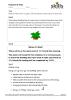
Continuing with the theme “A celebration of British fruit”, this reading comprehension resource is about the delightful medlar fruit. At Levels 1 and 2 there are additional punctuation and grammar questions, spelling, and fact and opinion. There is also a speaking and listening group discussion/ presentation task. At Entry 3 there is a revised text with questions and discussion ideas. The final text is simplified for Entry 1 and 2 with some appropriate questions.

Editor's notes

Level
Entry Level 1
Entry Level 2
Entry Level 3
Level 1
Level 2
GCSE L1-5
English
FE E1.10 Understand a short piece of text on a simple subject
FE E2.8 Understand the main points in texts
FE E3.9 Identify, understand & extract main points & ideas in/from texts
FE L1.9 Identify & understand the main points, ideas & details
FE L1.11 Identify meanings in texts & distinguish between fact & opinion
FE L2.18 Follow an argument, identifying different points of view & distinguishing fact from opinion
FE E3.11 Use strategies to find meaning of words e.g. dictionary, context, word types
FE L1.17 Read & understand a range of specialist words in context
FE L1.13 Use reference materials & appropriate strategies for a range of purposes, inc. to find word meanings
FE E3.10 Identify different purposes of straightforward texts
FE E2.12 Use illustrations, images & captions to locate information
FE E2.13 Use basic punctuation correctly (e.g. full stops, question, exclamation marks)
FE E3.13 Use a range of punctuation correctly (e.g. full stops, question marks, exclamation marks, commas)
FE E3.6 Make relevant contributions to group discussions about straightforward topics
FE L1.6 Follow / understand discussions & make contributions relevant to situation & subject
FE L2.8 Make relevant and constructive contributions to move discussion forward
ESOL
ESOL Sd/E3.1b Take part in more formal interaction
ESOL Sd/L1.2a Express views and opinions
ESOL Sd/L2.2c Express views, opinions, feelings, wishes
ESOL Sd/L2.2d Persuade, warn, rebuke, etc
ESOL Sd/L2.4a Support opinions and arguments with evidence
ESOL Rt/E1.1a Follow a short narrative on a familiar topic or experience
ESOL Rt/E2.1a Use a range of strategies to trace & understand main events
ESOL Rt/E3.4a Extract the main points and ideas, and predict words from context.
ESOL Rt/L1.3a Understand how main points and specific detail are presented and linked
ESOL Rt/E3.2a Distinguish between different purposes of texts at this level
ESOL Ws/E2.3a Use correct punctuation, e.g. capital letters, full stops, question marks
ESOL Ws/E3.3a Use punctuation to aid clarity in relation to beginnings and ends of sentences
Context
Catering Food Nutrition

This activity uses the prologue of The Secret History (Donna Tartt, 1992) to examine structure, language features and basic inference skills.

Editor's notes

Cleverly constructed questions and clear layout creates a super, very accessible and useful resource. :)

Level
GCSE L1-5
English
GCSE English Reading AO2 Explain & analyse language & structure
GCSE Reading AO1a Identify/interpret explicit & implicit information & ideas

A selection of  reading (inference) tasks and creative writing prompts on the opening lines of Young Adult novels. 

Editor's Notes

Written for GCSE learners. Another highly original and engaging resource from Steph :) 

Covers opening lines from seven YA novels including John Green (Paper Towns), Rin Chupeco (The Never Tilting World) and Tahereh Mafi (Shatter Me).


Level
GCSE L1-5
English
GCSE Writing AO5(a) Use tone, style and register for different forms, purposes & audiences
GCSE Reading AO1a Identify/interpret explicit & implicit information & ideas

A collection of 14 screenshots from films and tv series and brief prompt questions. This resource can be used as an introduction to inference as a skill, and scaffolded with further questions. 

Popular films and TV series used such as Barbie, Bridgerton and The Avengers.

Editor's note

Level
Level 1
Level 2
GCSE L1-5
English
FE L1.15 Infer from images meanings not explicit in the accompanying text
FE L2.13 Identify implicit & inferred meaning in texts
GCSE English Reading AO2 Explain & analyse language & structure
Context
Art Film Media Music Radio TV

Reading pratice using an article from The Guardian https://www.theguardian.com/music/article/2024/may/22/phone-kids-losing-their-love-for-music with questions that will aid L1 and L2 learners to develop their reading skills. 

Editor's note

Level
Level 1
Level 2
English
FE L1.18 Use knowledge of punctuation to aid understanding of texts
FE L1.12 Recognise that language & other textual features can be varied to suit different audiences & purposes
FE L2.14 Understand how textual features/devices can shape meaning for different audiences/purposes
FE L2.16 Understand organisational features & use to locate relevant information in a range of sources
FE L1.11 Identify meanings in texts & distinguish between fact & opinion
FE L1.16 Recognise vocabulary typically associated with specific types and purposes of texts (e.g. formal, informal, instructional, descriptive, explanatory and persuasive)
FE L2.15 Use a range of reference materials & resources (e.g. glossaries, legends/keys) for different purposes
FE L2.18 Follow an argument, identifying different points of view & distinguishing fact from opinion
Context
Art Film Media Music Radio TV
Family and relationships