FE L1.13 Use reference materials & appropriate strategies for a range of purposes, inc. to find word meanings

L1.13 Use reference materials and appropriate strategies (e.g. using knowledge of word types) for a range of purposes, including to find the meaning of words

Subject content [reformed] functional skills: English (DfE, Feb 2018): 

https://www.gov.uk/government/publications/functional-skills-subject-content-english

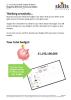
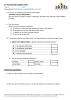
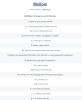
A PPT guide on how to use a dictionary and thesaurus tools, with a link to a handy YouTube video. Plus a separate 1 page handout that summarises the information in the PPT.

Editor's notes

Aimed at Entry Level (note thesaurus use is not expected until L2 but widening vocabulary is a useful skill at any level). Finishes with a quick, 4-question quiz that is easy to adapt and contextualise for your own learners.

Level
Entry Level 2
Entry Level 3
Level 1
English
FE E2.10 Use effective strategies to find words meanings & check spelling e.g. simple dictionary, spell-checker
FE E3.11 Use strategies to find meaning of words e.g. dictionary, context, word types
FE L1.13 Use reference materials & appropriate strategies for a range of purposes, inc. to find word meanings
ESOL
ESOL Rw/E2.4a Use simplified dictionary to find word meanings
ESOL Rw/E3.3a Use a dictionary to find the meaning of unfamiliar words
ESOL Rw/L1.1a Use reference material to find the meaning of unfamiliar words

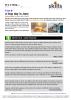
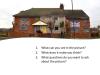
Inspired by an article I recently read about a local Oxford wassail, this reading resource covers most aspects of the L1 and L2 reading content (does not cover bias, fact & opinion, or following an argument). Questions are grouped under topics such as reading for detail, language, vocabulary, punctuation, etc. so you can pick and choose to suit your learner group.

I hope to write a similar Entry Level resource but it'll be too late for this year's wassailing season! 

Level
Level 1
Level 2
English
FE L1.13 Use reference materials & appropriate strategies for a range of purposes, inc. to find word meanings
FE L1.17 Read & understand a range of specialist words in context
FE L2.15 Use a range of reference materials & resources (e.g. glossaries, legends/keys) for different purposes
FE L1.14 Understand organisational / structural features use to locate relevant information
FE L2.16 Understand organisational features & use to locate relevant information in a range of sources
FE L1.9 Identify & understand the main points, ideas & details
FE L2.11 Identify when main points are sufficient & when specific details are important
FE L1.18 Use knowledge of punctuation to aid understanding of texts
FE L1.16 Recognise vocabulary typically associated with specific types and purposes of texts (e.g. formal, informal, instructional, descriptive, explanatory and persuasive)
FE L1.12 Recognise that language & other textual features can be varied to suit different audiences & purposes
FE L1.15 Infer from images meanings not explicit in the accompanying text
FE L2.13 Identify implicit & inferred meaning in texts
FE L2.14 Understand how textual features/devices can shape meaning for different audiences/purposes
FE L2.19 Identify different styles of writing & writer’s voice
Context
History, culture, museums, libraries
Leisure, Hobbies, Travel & Tourism

Reading text for Entry Level 3 - Level 2 FS English with exam-style questions. Practice material for the Reading exam. Especially for students with an interest in Boxing. 

Editor's notes

Level
Entry Level 3
Level 1
Level 2
English
FE E3.11 Use strategies to find meaning of words e.g. dictionary, context, word types
FE L1.13 Use reference materials & appropriate strategies for a range of purposes, inc. to find word meanings
FE L2.15 Use a range of reference materials & resources (e.g. glossaries, legends/keys) for different purposes
FE E3.9 Identify, understand & extract main points & ideas in/from texts
FE L1.9 Identify & understand the main points, ideas & details
FE L2.11 Identify when main points are sufficient & when specific details are important
FE E3.12 Understand organisational features & use them to locate relevant information
FE L1.14 Understand organisational / structural features use to locate relevant information
FE L1.18 Use knowledge of punctuation to aid understanding of texts
FE E3.10 Identify different purposes of straightforward texts
FE L1.12 Recognise that language & other textual features can be varied to suit different audiences & purposes
Context
Sport and fitness
Faith & Religion

Reading text for Entry Level 2 - Level 1 FS English with exam-style questions. Practice material for the Reading exam. Especially for students with an interest in Boxing. 

Editor's notes

The text is shorter and less challenging than the other three titles in this series (find these under See Also). The questions cover general comprehension , vocabulary, punctuation, etc.) so there's something to suit everyone from E2-L1 - especially boxing fans!  

Level
Entry Level 2
Entry Level 3
Level 1
English
FE E3.11 Use strategies to find meaning of words e.g. dictionary, context, word types
FE L1.13 Use reference materials & appropriate strategies for a range of purposes, inc. to find word meanings
FE E3.9 Identify, understand & extract main points & ideas in/from texts
FE L1.9 Identify & understand the main points, ideas & details
FE E3.12 Understand organisational features & use them to locate relevant information
FE L1.14 Understand organisational / structural features use to locate relevant information
FE L1.18 Use knowledge of punctuation to aid understanding of texts
FE E3.10 Identify different purposes of straightforward texts
FE L1.12 Recognise that language & other textual features can be varied to suit different audiences & purposes
Context
Sport and fitness

Reading text for Entry Level 3 - Level 2 FS English with exam-style questions. Practice material for the Reading exam. Especially for students with an interest in Boxing. 

Editor's notes

The text is lengthy and challenging and some Entry Learners will need support. However, the questions cover a good range of topics (vocabulary, punctuation, detail, purpose, etc.) and reading abilities so there's something to suit everyone here - especially boxing fans! A wonderful example of contextualised and embedded English teaching. 

Level
Entry Level 3
Level 1
Level 2
English
FE E3.11 Use strategies to find meaning of words e.g. dictionary, context, word types
FE L1.13 Use reference materials & appropriate strategies for a range of purposes, inc. to find word meanings
FE L2.15 Use a range of reference materials & resources (e.g. glossaries, legends/keys) for different purposes
FE E3.9 Identify, understand & extract main points & ideas in/from texts
FE L1.9 Identify & understand the main points, ideas & details
FE L2.11 Identify when main points are sufficient & when specific details are important
FE E3.12 Understand organisational features & use them to locate relevant information
FE L1.14 Understand organisational / structural features use to locate relevant information
FE L1.18 Use knowledge of punctuation to aid understanding of texts
FE E3.10 Identify different purposes of straightforward texts
FE L1.12 Recognise that language & other textual features can be varied to suit different audiences & purposes
Context
Sport and fitness
Catering Food Nutrition

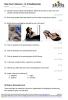
Reading text for Entry Level 3-  Level 2 FS English with exam-style questions. 

Level
Entry Level 3
Level 1
Level 2
English
FE E3.11 Use strategies to find meaning of words e.g. dictionary, context, word types
FE L1.13 Use reference materials & appropriate strategies for a range of purposes, inc. to find word meanings
FE L2.15 Use a range of reference materials & resources (e.g. glossaries, legends/keys) for different purposes
FE E3.9 Identify, understand & extract main points & ideas in/from texts
FE L1.9 Identify & understand the main points, ideas & details
FE L2.11 Identify when main points are sufficient & when specific details are important
FE E3.12 Understand organisational features & use them to locate relevant information
FE L1.14 Understand organisational / structural features use to locate relevant information
FE L1.18 Use knowledge of punctuation to aid understanding of texts
FE E3.10 Identify different purposes of straightforward texts
FE L1.12 Recognise that language & other textual features can be varied to suit different audiences & purposes
Context
Sport and fitness
News, Politics & Government items

An updated version of Laura Bell's 2017 Solstice resource (also uses information from British Heritage), this topical resource is bound to be popular. It includes an introductory PPT (with a final differentiated article-writing task and an informative video link) along with a PDF set of reading tasks

Editor's notes

Level
Entry Level 3
Level 1
Level 2
English
FE E3.9 Identify, understand & extract main points & ideas in/from texts
FE E3.11 Use strategies to find meaning of words e.g. dictionary, context, word types
FE E3.12 Understand organisational features & use them to locate relevant information
FE L1.9 Identify & understand the main points, ideas & details
FE L1.13 Use reference materials & appropriate strategies for a range of purposes, inc. to find word meanings
FE L1.14 Understand organisational / structural features use to locate relevant information
FE L1.17 Read & understand a range of specialist words in context
FE E3.16 Use 1st, 2nd & 3rd letters to sequence words alphabetically
FE E3.19 Write text of appropriate length & level of detail
FE L1.23 Write text of appropriate level of detail & length to meet needs of purpose & audience
FE L1.24 Use format, structure & language appropriate for audience & purpose
FE L2.24 Write text of appropriate level of detail & length to meet needs of purpose & audience
FE L2.25 Organise writing for different purposes using appropriate format & structure e.g. standard templates, paragraphs, bullet points, tables
Context
History, culture, museums, libraries
Leisure, Hobbies, Travel & Tourism
Faith & Religion

A reading scheme of work for L1+2 Functional Skills English, designed for the Pearson assessment. It is a 12 lesson unit designed to equip learners with the skills needed to read successfully and confidently in their wider lives, as well as pass their reading assessment. The lessons offer differentiated options for L1 and L2 learners, so it can be used for either level 1 or 2 learners, or mixed ability groups. There is an MTP (medium term plan) which outlines the content of each lesson, along with PPTs, Word/PDF resources, video links, etc.

Editor's notes

Level
Level 1
Level 2
English
FE L1.13 Use reference materials & appropriate strategies for a range of purposes, inc. to find word meanings
FE L1.17 Read & understand a range of specialist words in context
FE L2.15 Use a range of reference materials & resources (e.g. glossaries, legends/keys) for different purposes
FE L1.9 Identify & understand the main points, ideas & details
FE L2.11 Identify when main points are sufficient & when specific details are important
FE L1.14 Understand organisational / structural features use to locate relevant information
FE L2.16 Understand organisational features & use to locate relevant information in a range of sources
FE L1.18 Use knowledge of punctuation to aid understanding of texts
FE L1.11 Identify meanings in texts & distinguish between fact & opinion
FE L1.12 Recognise that language & other textual features can be varied to suit different audiences & purposes
FE L1.15 Infer from images meanings not explicit in the accompanying text
FE L1.16 Recognise vocabulary typically associated with specific types and purposes of texts (e.g. formal, informal, instructional, descriptive, explanatory and persuasive)
FE L2.13 Identify implicit & inferred meaning in texts
FE L2.14 Understand how textual features/devices can shape meaning for different audiences/purposes
FE L2.17 Analyse texts, of different levels of complexity, recognising their use of vocabulary and identifying levels of formality and bias
FE L2.18 Follow an argument, identifying different points of view & distinguishing fact from opinion
FE L2.19 Identify different styles of writing & writer’s voice

FE L1.10 Compare information, ideas & opinions in different texts
FE L2.12 Compare information, ideas & opinions in different texts, inc. how they are conveyed

An exploration of common prefixes: un, re, did, pre, mis and non. Visual, with a table, reading text, discussion prompts, spelling tips  and a word search. Additional activities and games are suggested oin the final page.  

Editor's note

Level
Entry Level 2
Entry Level 3
Level 1
English
FE E2.10 Use effective strategies to find words meanings & check spelling e.g. simple dictionary, spell-checker
FE E3.11 Use strategies to find meaning of words e.g. dictionary, context, word types
FE L1.13 Use reference materials & appropriate strategies for a range of purposes, inc. to find word meanings
FE L1.17 Read & understand a range of specialist words in context
FE L1.21 Spell words used most often in work, study and daily life, including specialist words
Prefixes, suffixes & plurals
ESOL
ESOL Rw/E2.3a Use context & range of phonic / graphic knowledge to decode words
ESOL Rw/E3.5a Use variety of reading strategies to read/understand unfamiliar words
ESOL Rw/L1.1a Use reference material to find the meaning of unfamiliar words
ESOL Rw/L1.2a Recognise & understand vocabulary associated with different types of text, using appropriate strategies to work out meaning

This is a reading comprehension resource but also includes a writing and a presentation task.  There are three texts with questions. Target levels 1 and 2 Functional English and/or ESOL. 

Nettles are generally dismissed as weeds, however, they are in fact a versatile plant with many surprising uses. 

Editor's notes

Level
Level 1
Level 2
English
FS Eng L1.4 Communicate information / ideas / opinions clearly & accurately on range of topics
FS Eng L2.5 Communicate information/ideas/opinions clearly/effectively with further detail/development if required
FS Eng L1.5 Express opinions and arguments and support them with evidence
FS Eng L2.6 Express opinions and arguments and support them with relevant and persuasive evidence
FE L1.13 Use reference materials & appropriate strategies for a range of purposes, inc. to find word meanings
FE L1.9 Identify & understand the main points, ideas & details
FE L2.11 Identify when main points are sufficient & when specific details are important
FE L1.16 Recognise vocabulary typically associated with specific types and purposes of texts (e.g. formal, informal, instructional, descriptive, explanatory and persuasive)
FE L1.14 Understand organisational / structural features use to locate relevant information
FE L2.16 Understand organisational features & use to locate relevant information in a range of sources
FE L2.24 Write text of appropriate level of detail & length to meet needs of purpose & audience
FE L1.23 Write text of appropriate level of detail & length to meet needs of purpose & audience
FE L1.24 Use format, structure & language appropriate for audience & purpose
FE L2.25 Organise writing for different purposes using appropriate format & structure e.g. standard templates, paragraphs, bullet points, tables
ESOL
ESOL Rt/L1.3a Understand how main points and specific detail are presented and linked
ESOL Rt/L2.3a Identify the main points and specific detail in different types of text of varying lengths & detail
ESOL Wt/L1.2a Select how much to write and the level of detail to include
ESOL Wt/L1.5a Select format and appropriate structure for different purposes and genres
ESOL Sc/L1.4a Present information and ideas in a logical sequence
ESOL Sc/L2.5a Present information & ideas in a logical sequence and provide further detail and development to clarify or confirm understanding
Context
Catering Food Nutrition
Gardening & Horticulture
Science, Nature & Weather